
Exploring Web Design: Key Visual Style Categories
Effective web design relies heavily on visual styles that communicate a brand’s identity and enhance user experience. Each style carries unique characteristics, such as simplicity, boldness, nostalgia, or luxury, influencing how visitors perceive and interact with websites. Understanding these visual design categories is essential for designers aiming to create memorable and engaging websites.
Minimalist:
Minimalist websites emphasize simplicity and clarity. They often feature ample whitespace, a restrained color palette typically limited to neutral tones, and uncomplicated typography. This visual style directs the viewer’s attention to key content, ensuring a clean and clutter-free user experience.


Maximalist
Maximalist designs are visually stimulating, bold, and vibrant. Characterized by bright colors, detailed imagery, and busy layouts, they immerse users in energetic and engaging experiences.


Flat
Flat design embraces simplicity through clear, 2D elements devoid of shadows, textures, or gradients. It’s practical, user-friendly, and visually uncomplicated, perfect for clear digital communication.


Neumorphic
Neumorphic designs create subtle, tactile depth through soft shadows and highlights, suggesting a gentle three-dimensional appearance. This style is inviting, sophisticated, and contemporary.


Brutalist
Brutalist design embraces an intentionally raw and unrefined aesthetic, characterized by bold typography, stark contrasts, grid-breaking layouts, and a “love it or hate it” charm. It captures attention through its unapologetic visual attitude.
https://www.kseniaschnaider.com


Retro/Vintage
Retro or vintage-inspired websites evoke nostalgia by adopting design elements from past eras. They commonly feature classic typography, muted or historically accurate color palettes, and visual motifs reminiscent of specific time periods.

https://loox.app/lost-in-space


Modern/Contemporary
Modern websites showcase sleek designs with responsive layouts, large typography, modular elements, and seamless interactivity. These websites prioritize user experience, functionality, and adaptability across devices.


Luxury
Luxury websites exude sophistication and exclusivity, often using rich, deep color palettes, refined typography, and generous whitespace. These elements collectively contribute to a premium, elegant user experience.
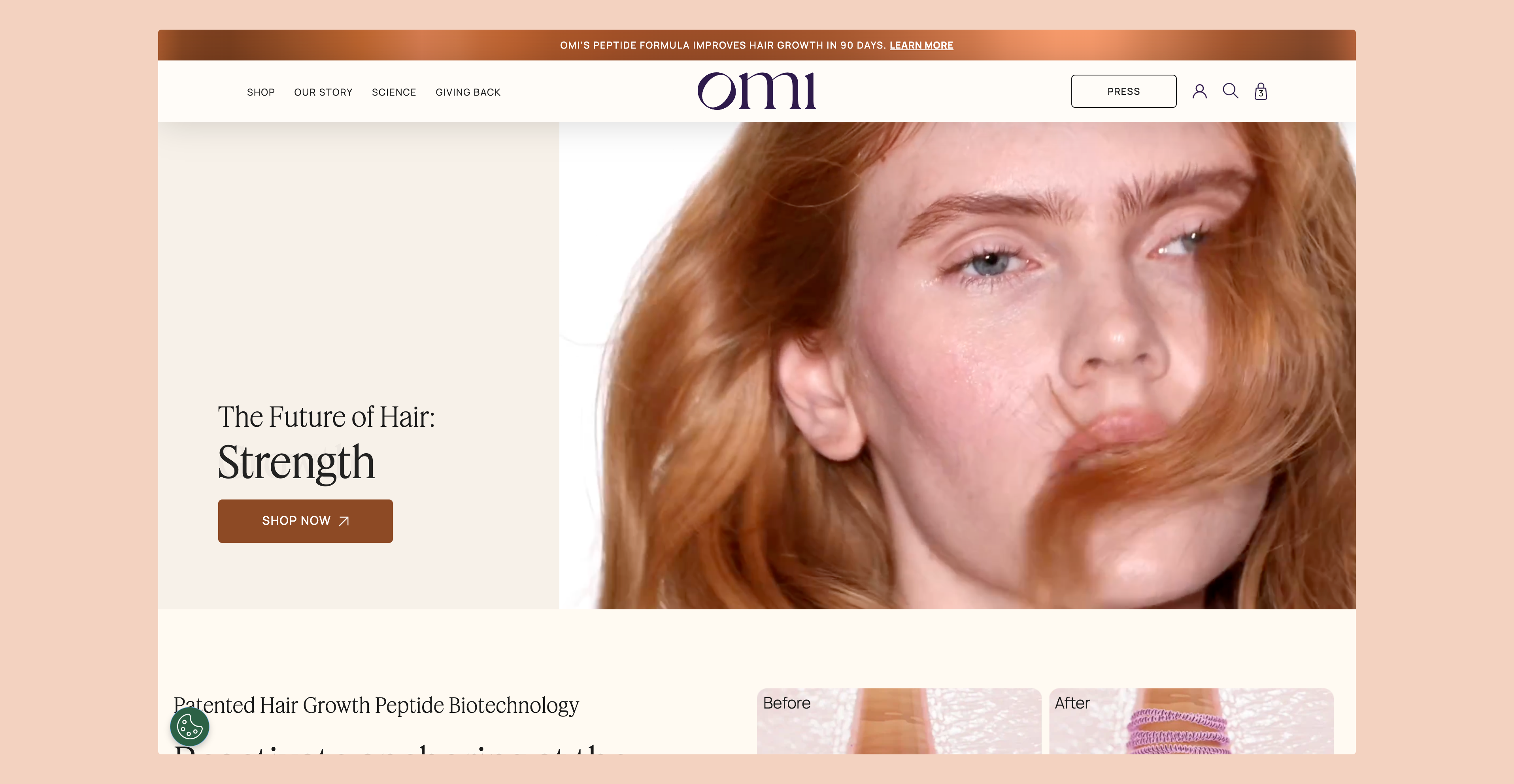
https://charliehornerdesign.com


Most websites do not strictly adhere to a single visual style. Instead, they frequently blend elements from multiple styles to create unique, compelling user experiences. For instance, a minimalist site might incorporate luxurious typography to enhance perceived quality, while a modern design might utilize subtle neumorphic details for added depth and interactivity. Recognizing these blended styles can help designers better articulate brand identities and engage their target audiences more effectively.
Sign up to Ridgeline Design Newsletter
We help outdoor and active brands reach there full potential!
Contact us
We’re excited about the opportunity to work with you!
However, our current schedule is full until May 2025. Register your interest today, and we’ll be in touch as soon as we’re available.
Leave a Reply